The MBA for
Gen Z
Entrepreneurs
Every young adult has a unique talent waiting to shine. Join the Entrepreneurship Academy for the next generation of leaders.

Online

Bite-sized Lessons

Certificate
Book a call to learn more about the program.
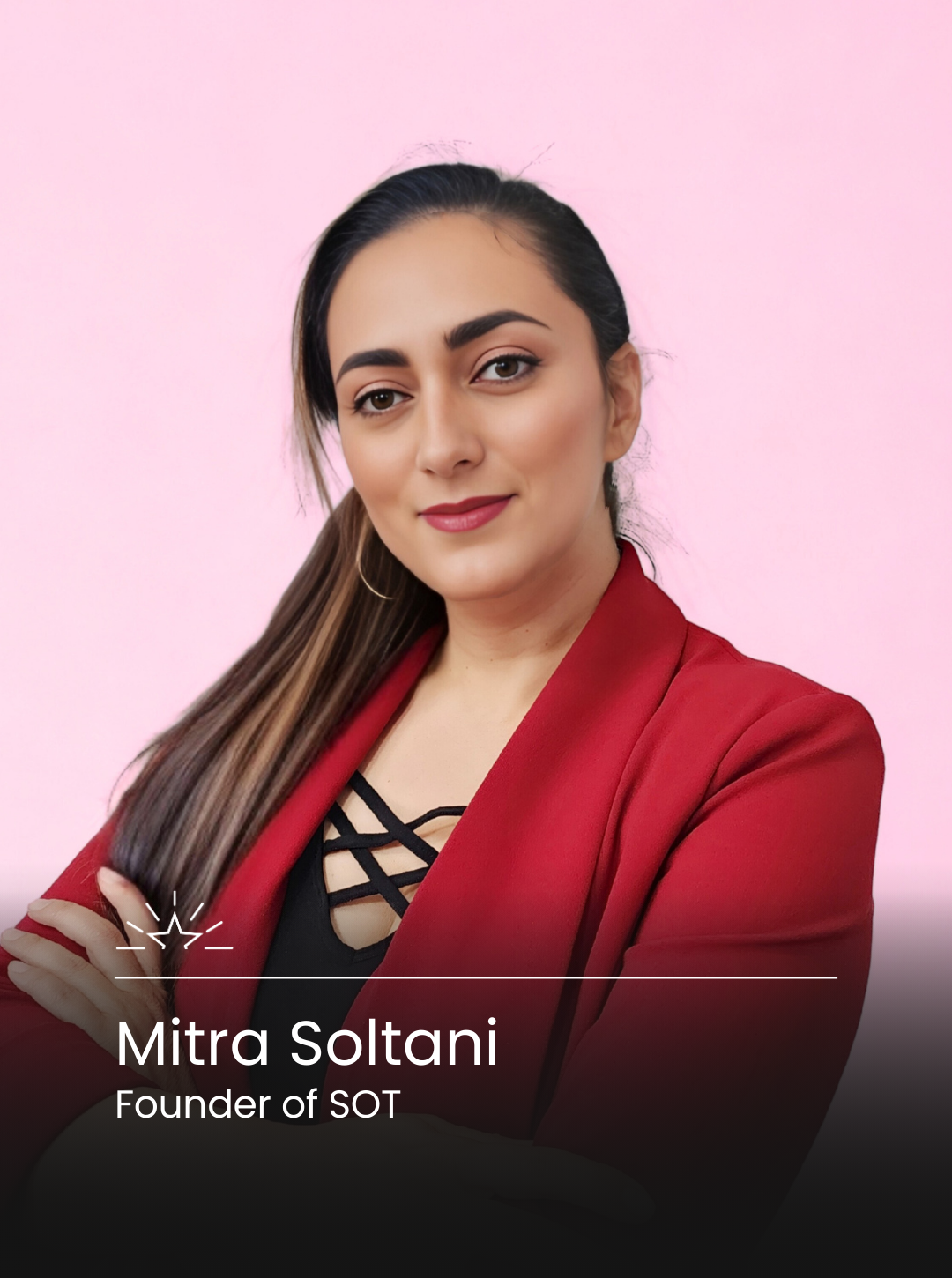
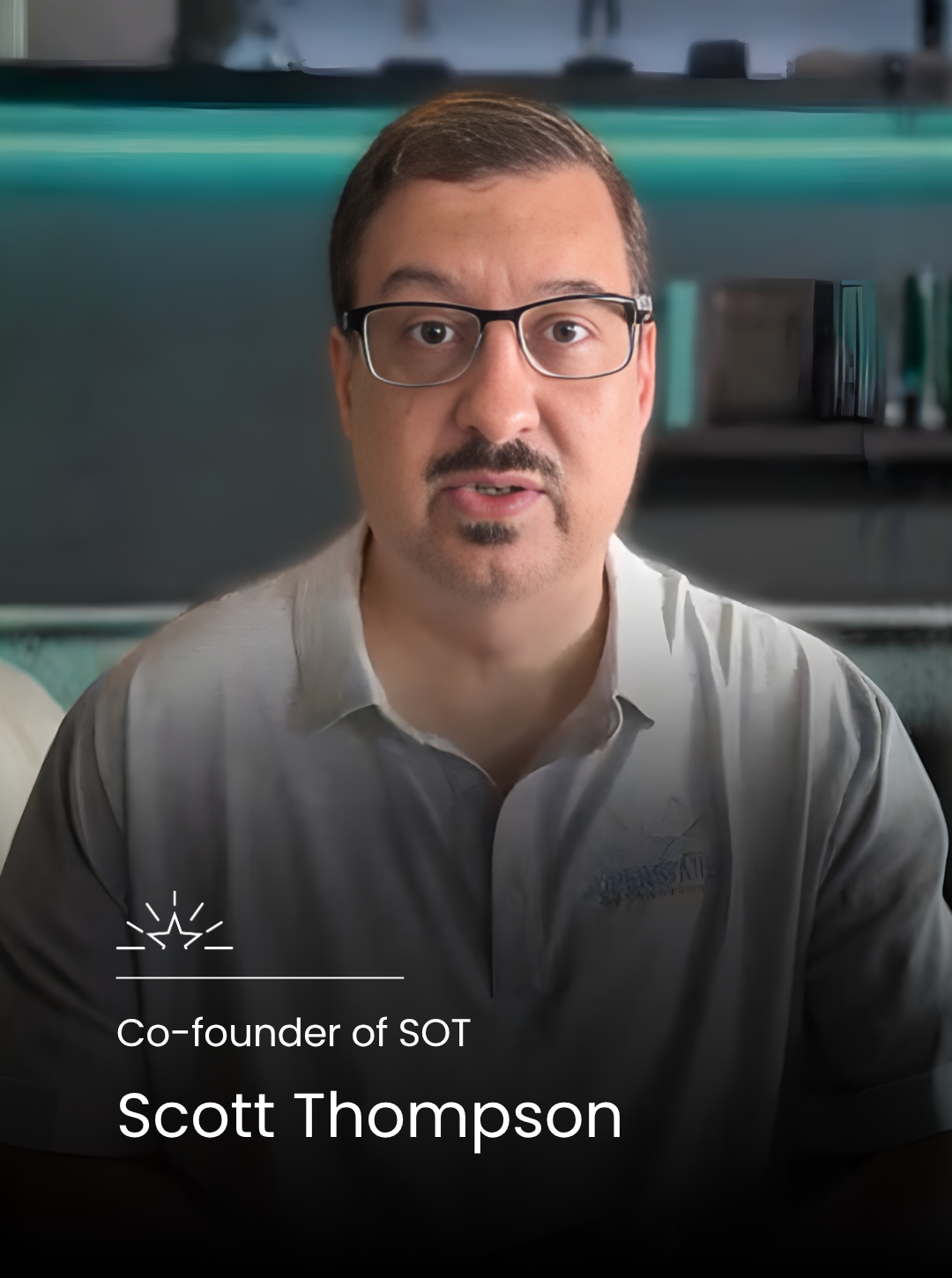
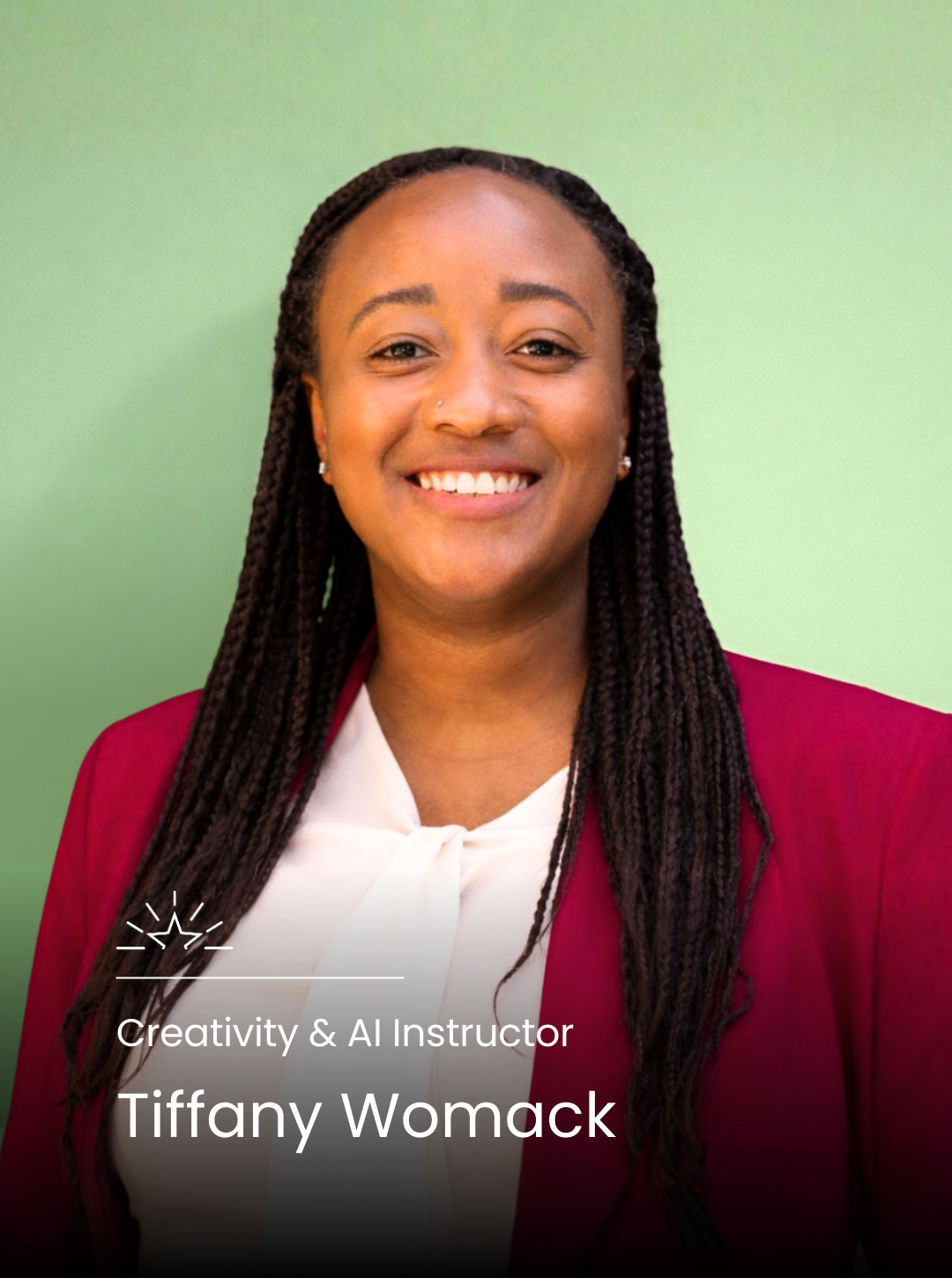
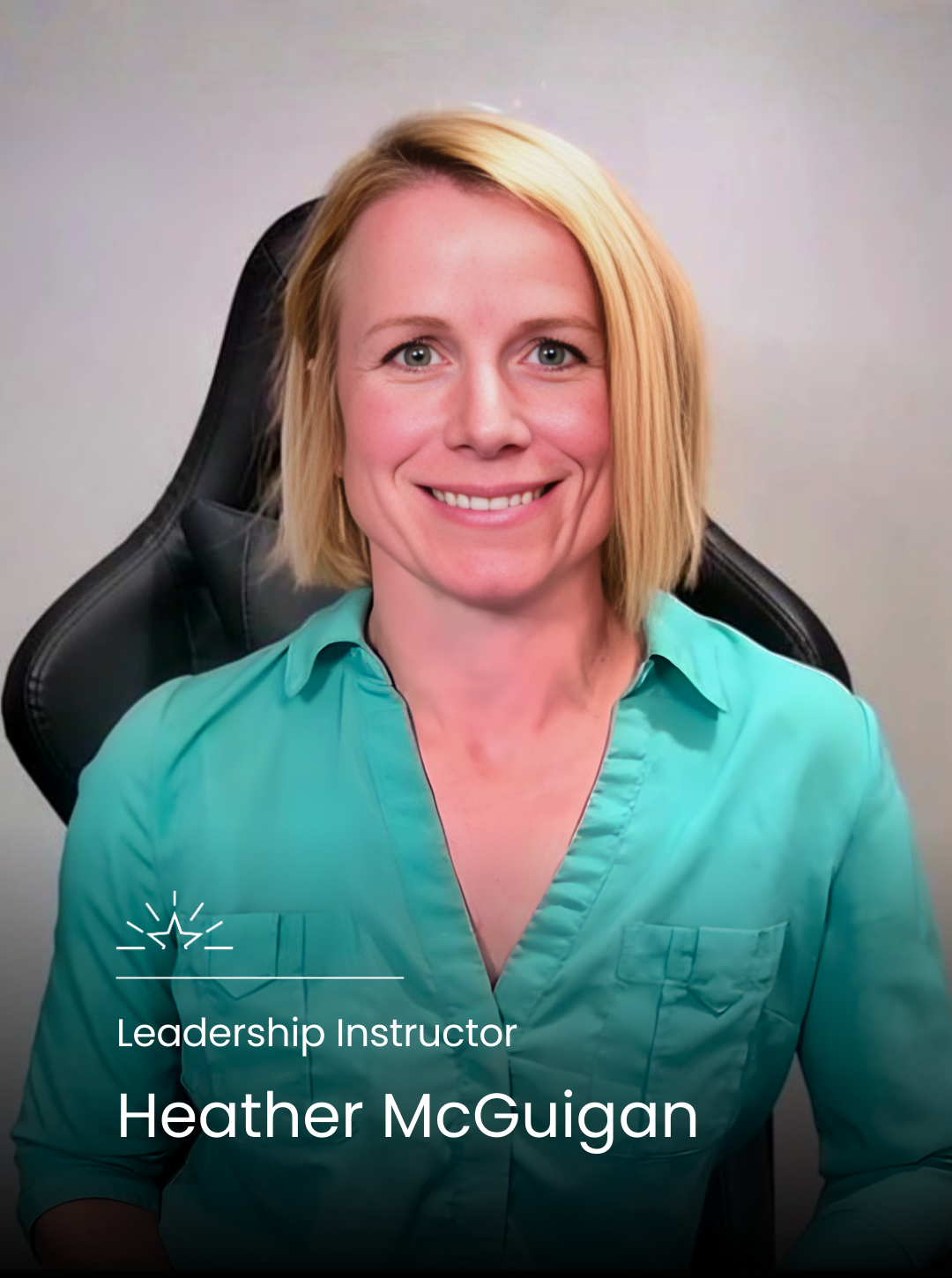
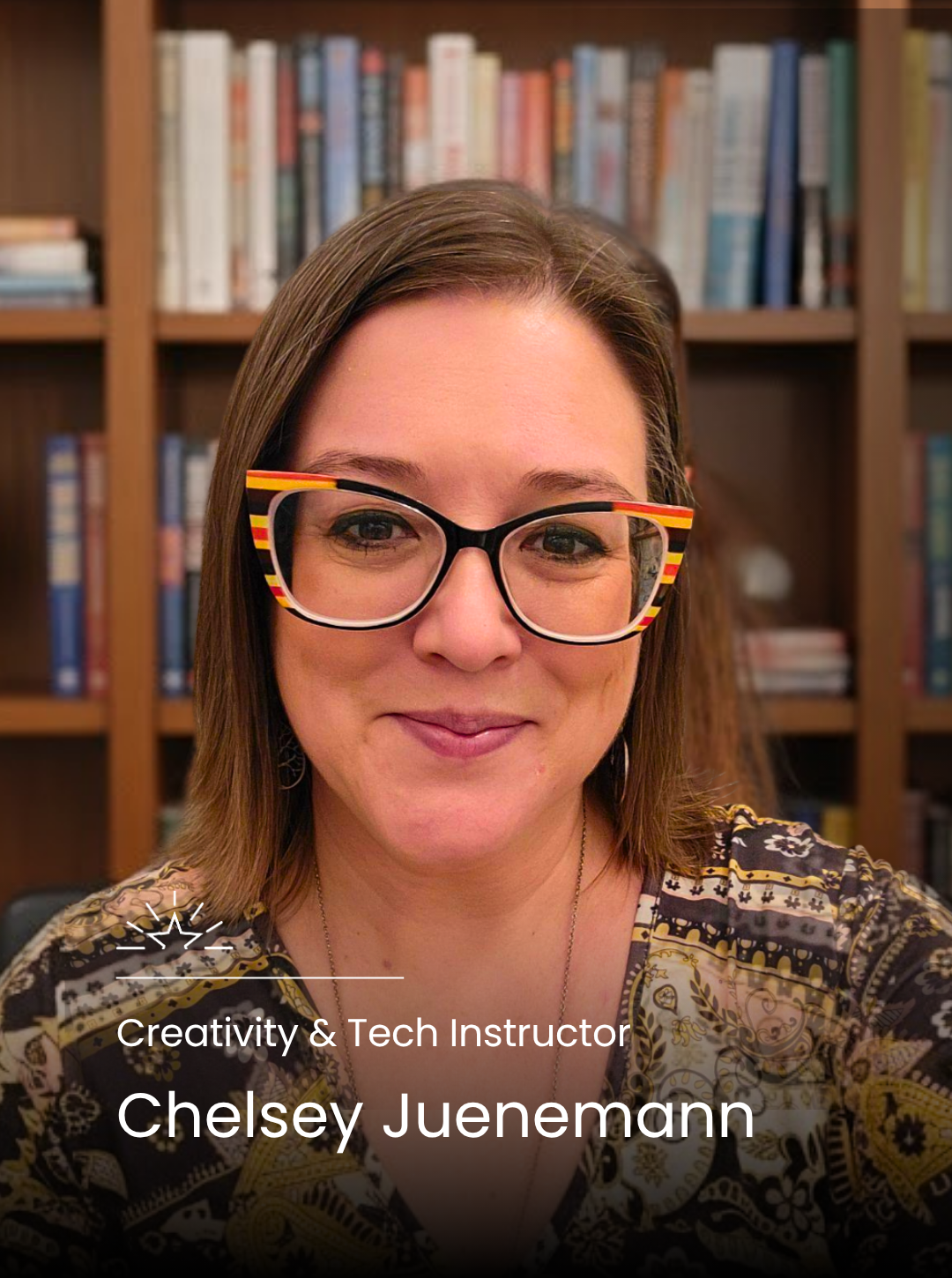
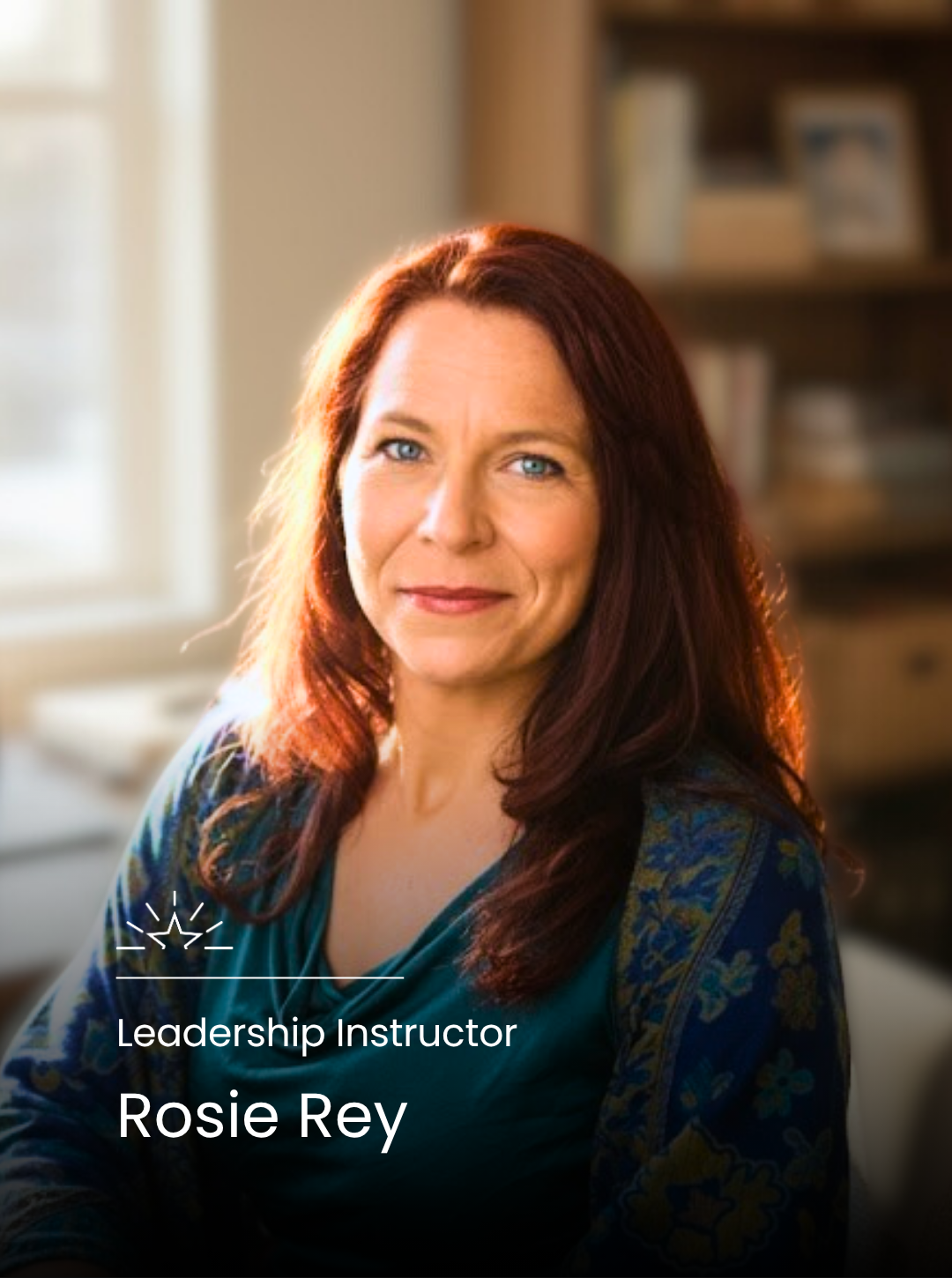
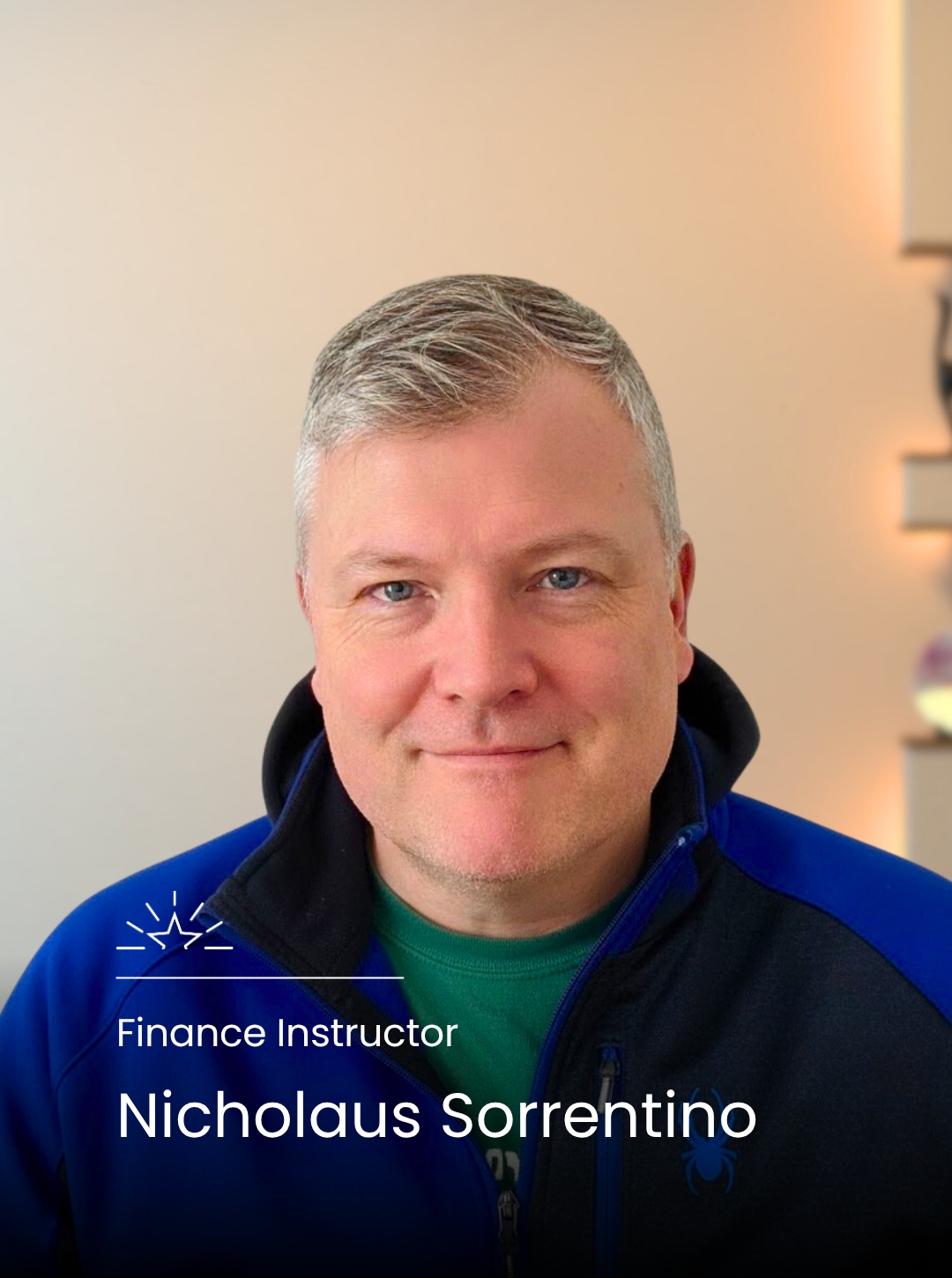
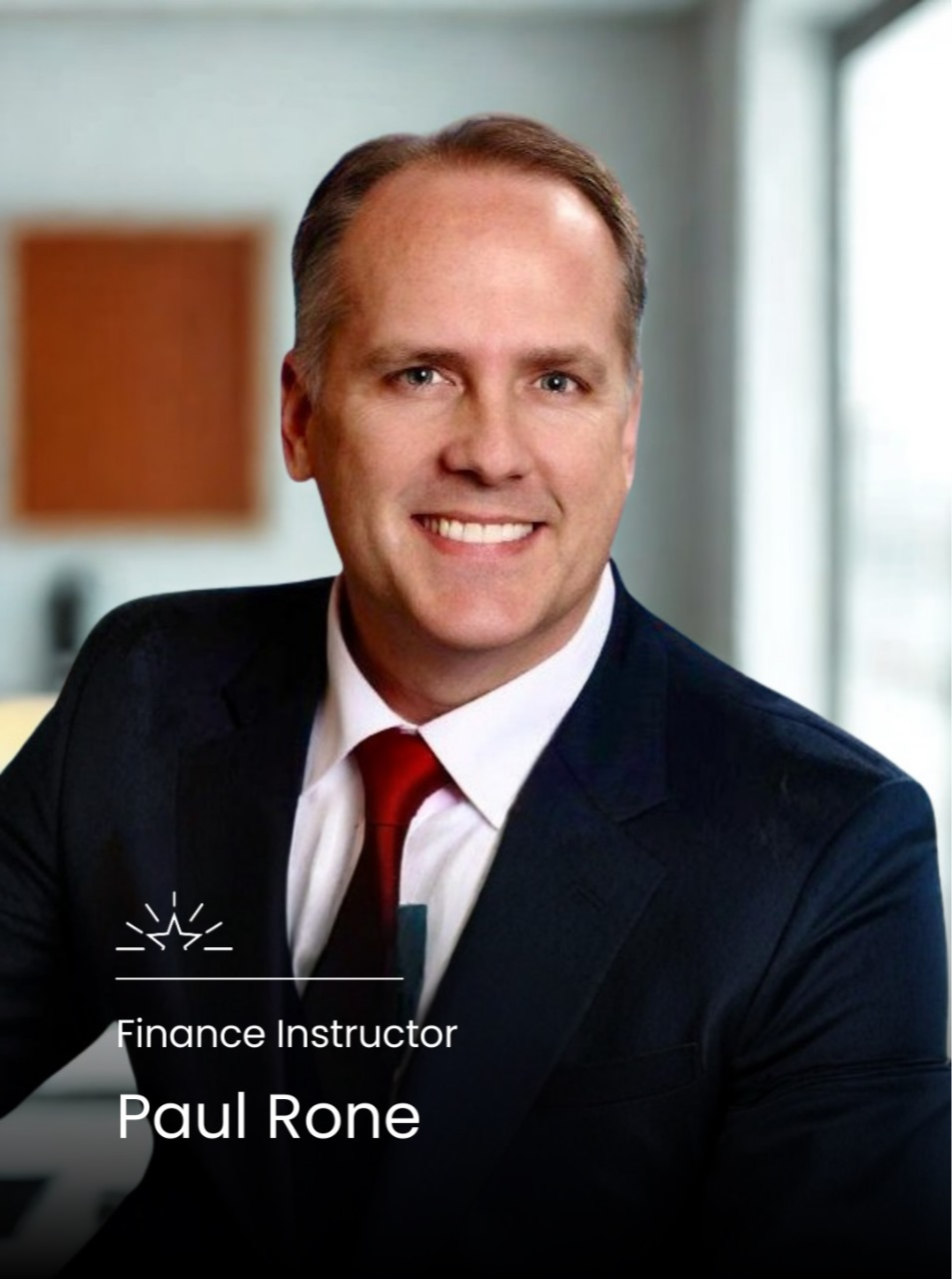
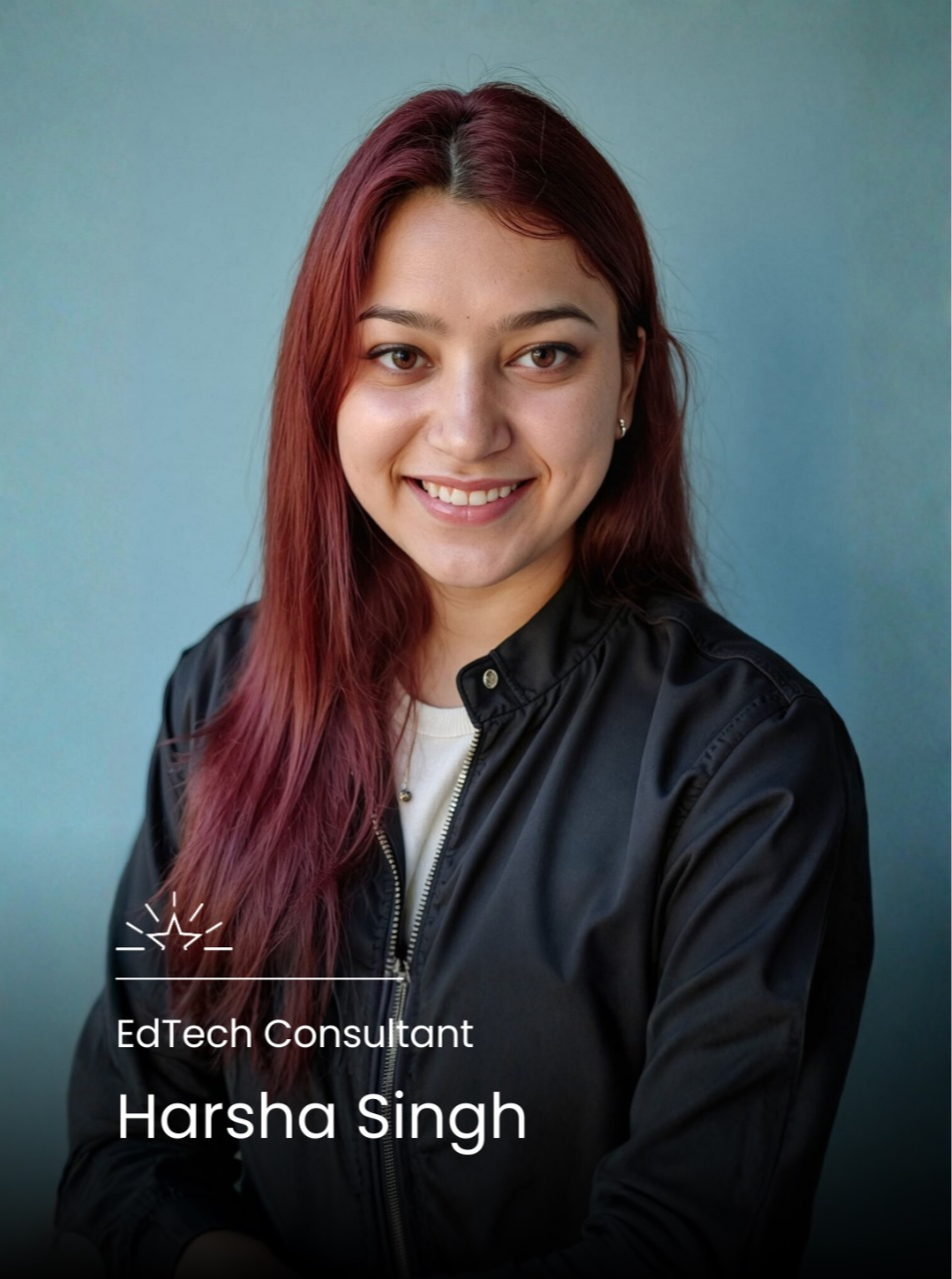
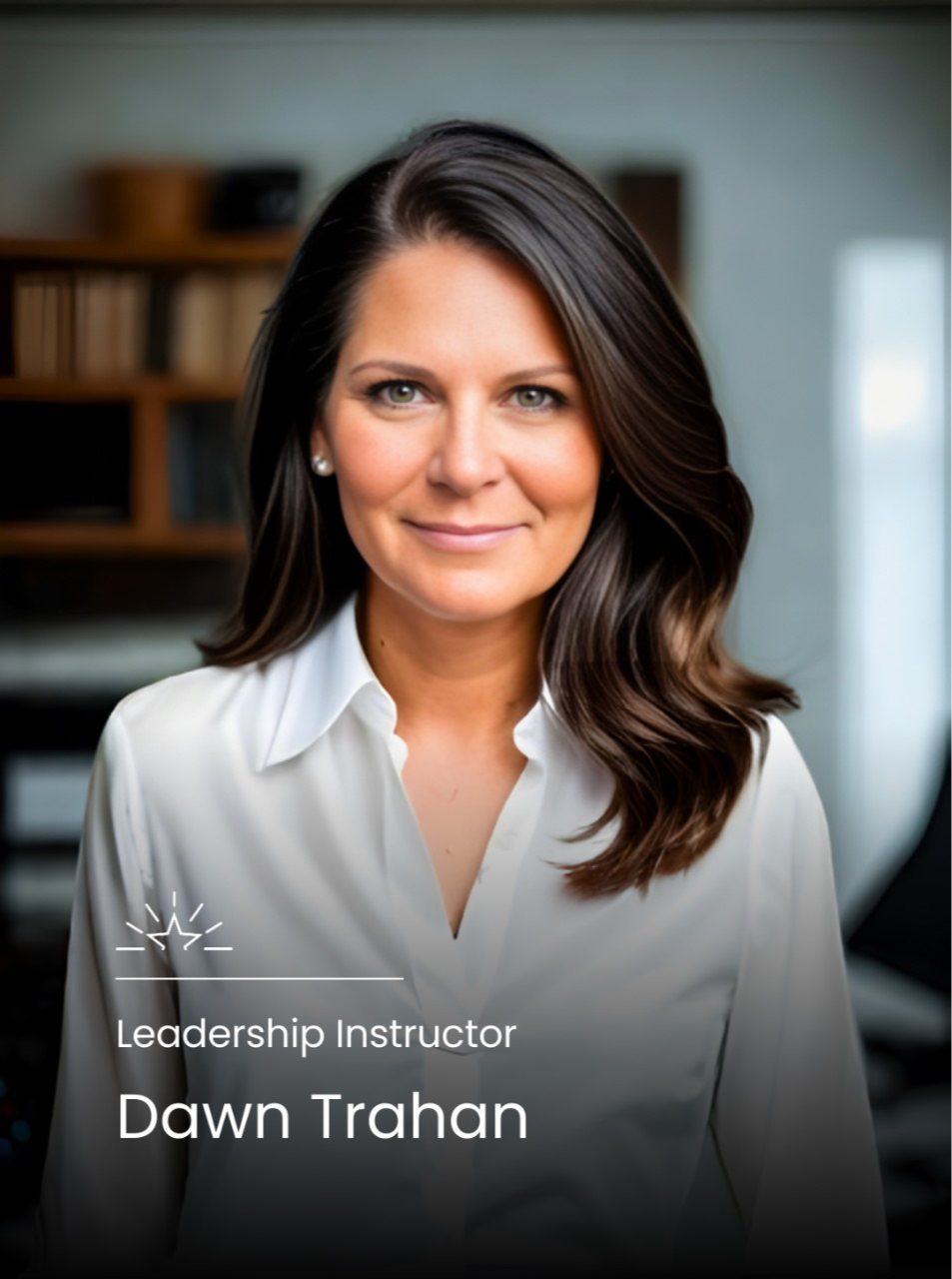
Learn from the Experts
Faculty
Meet Your Instructors
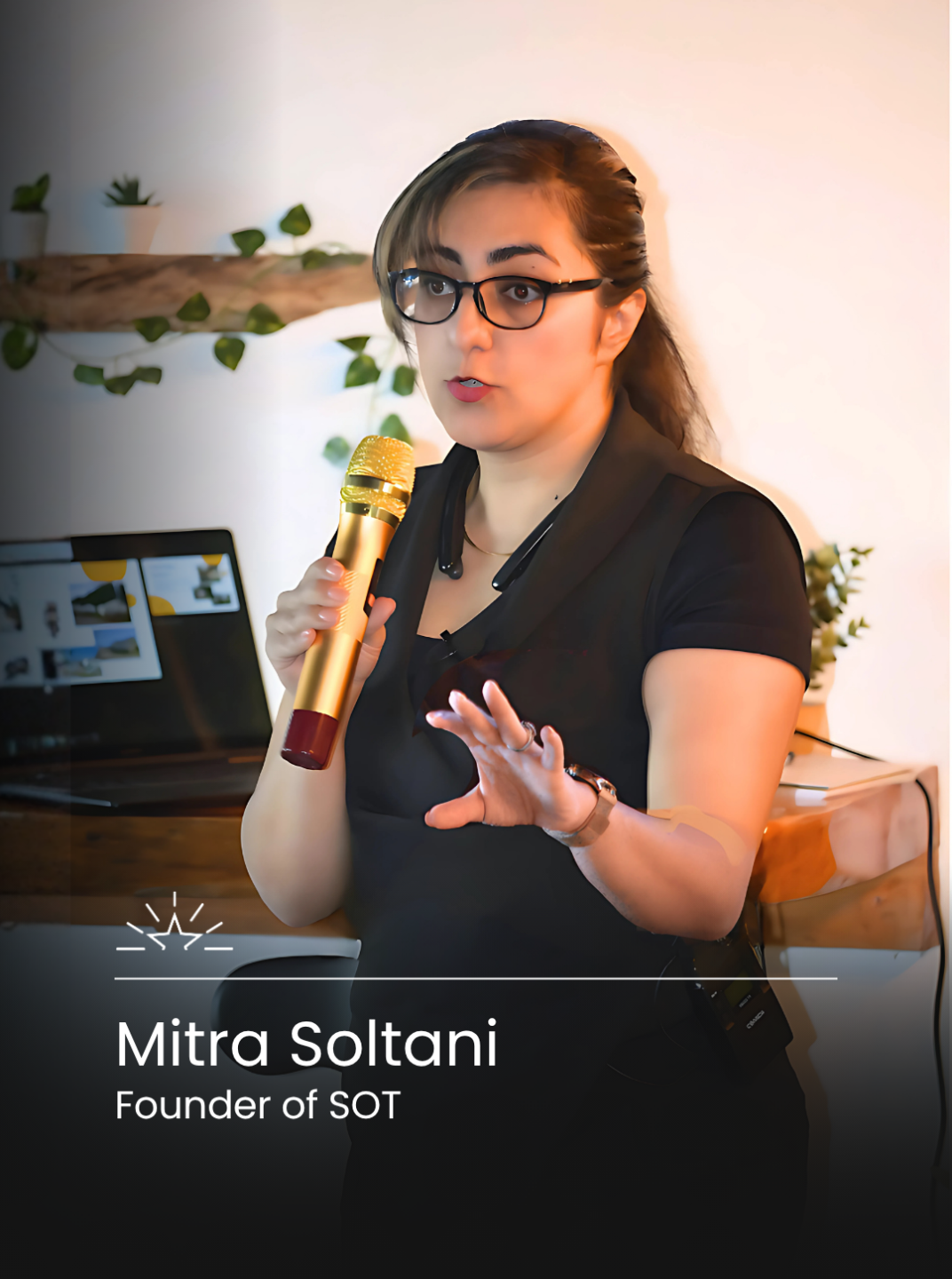
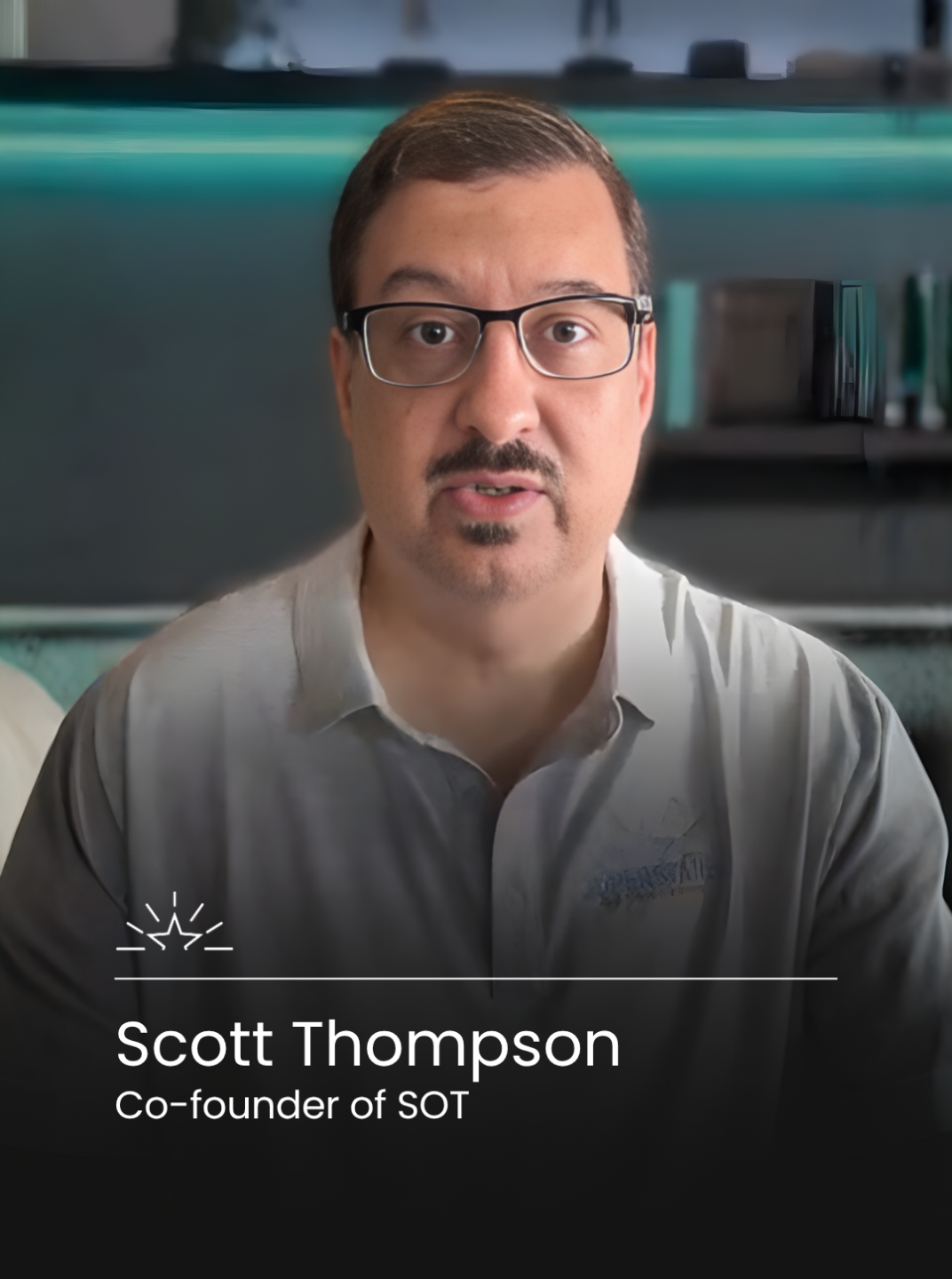
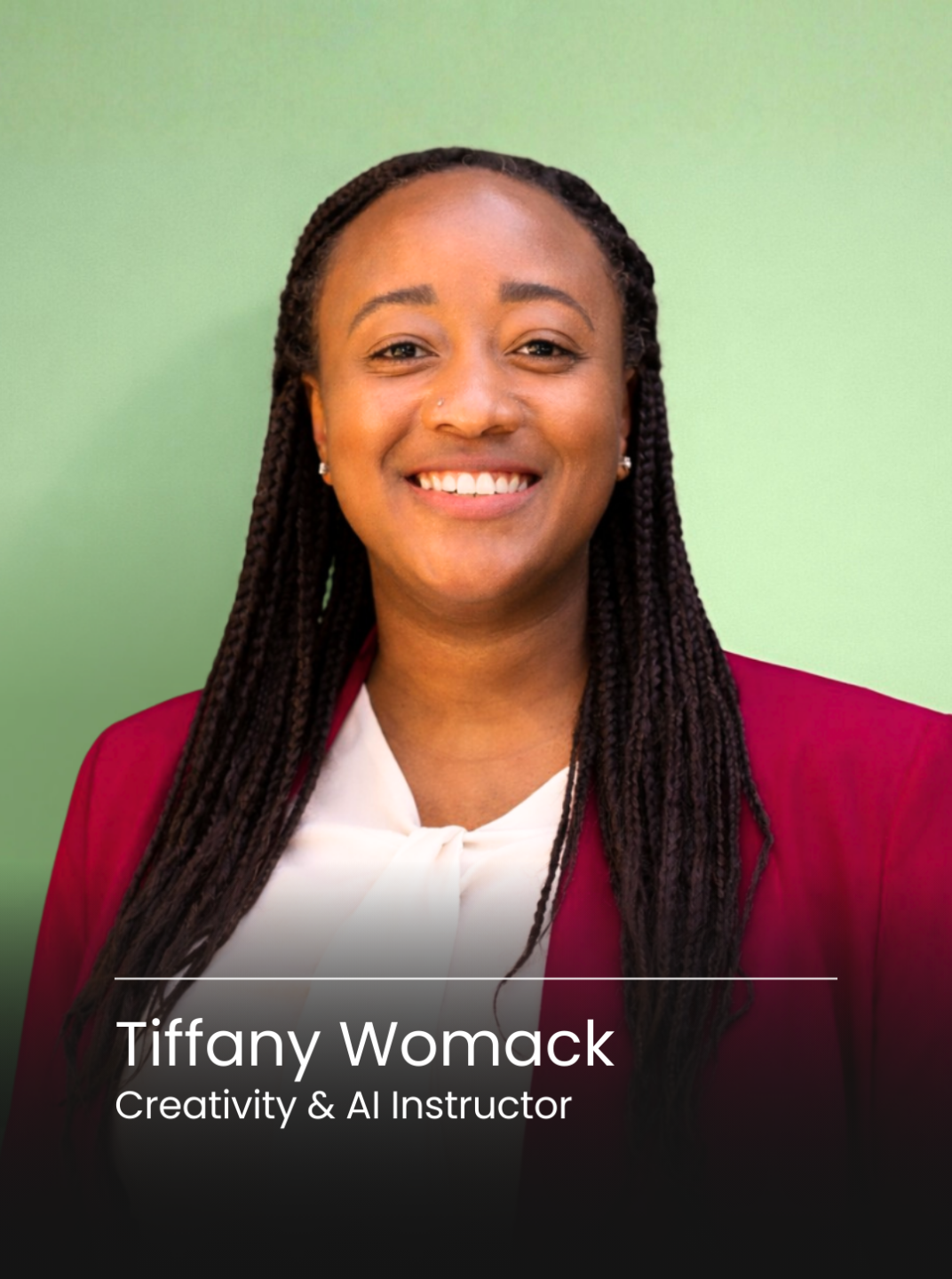
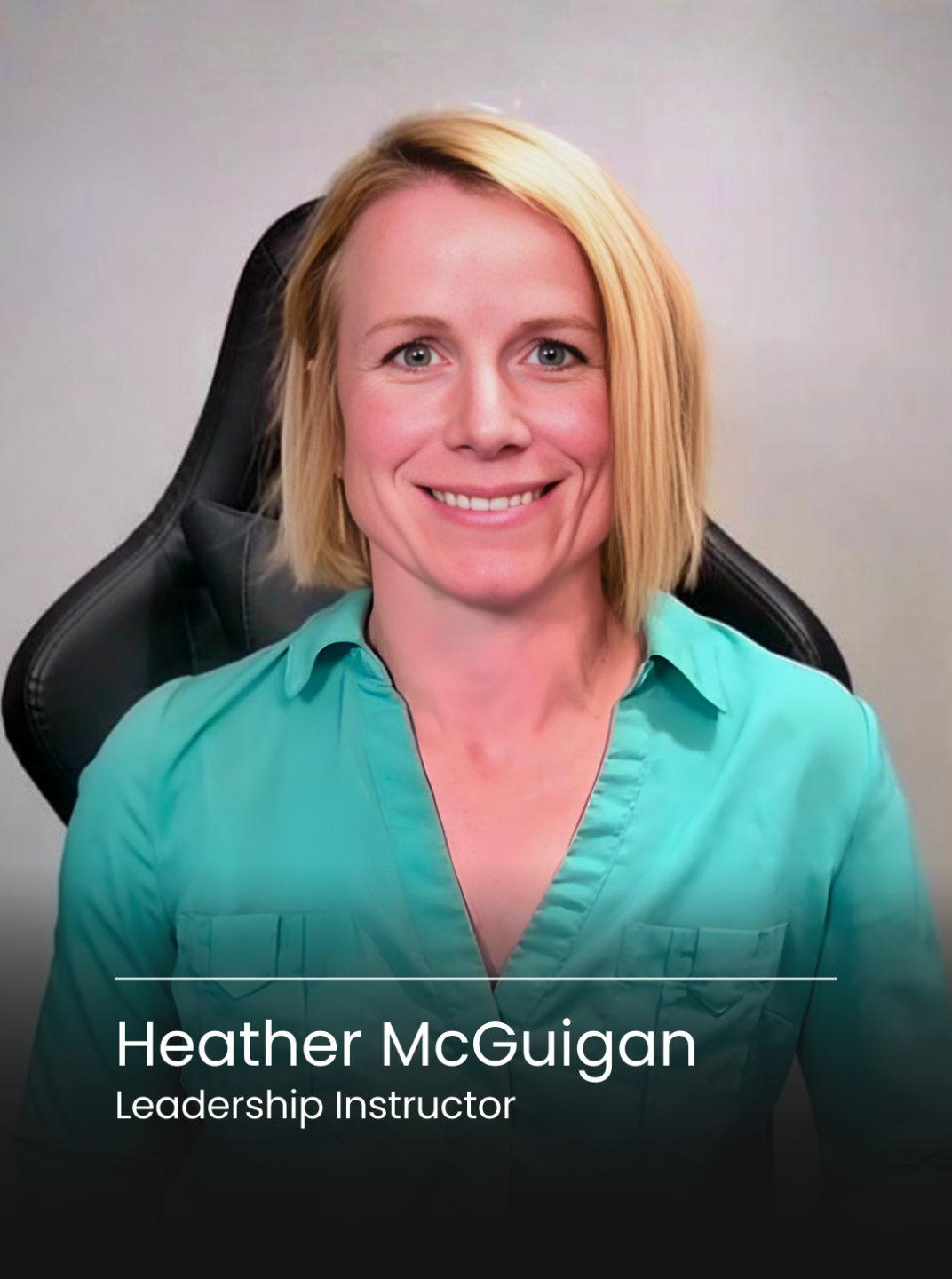
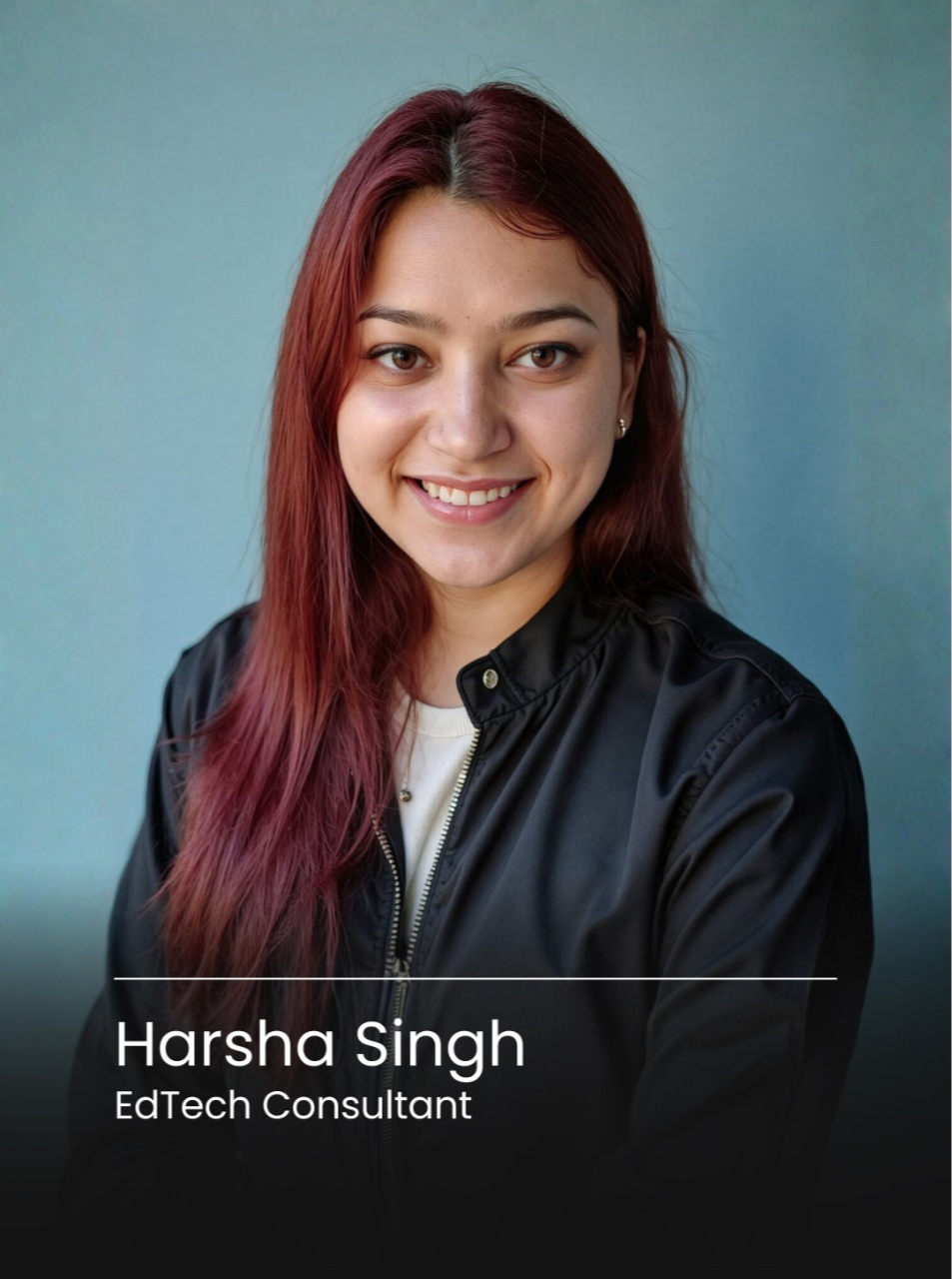
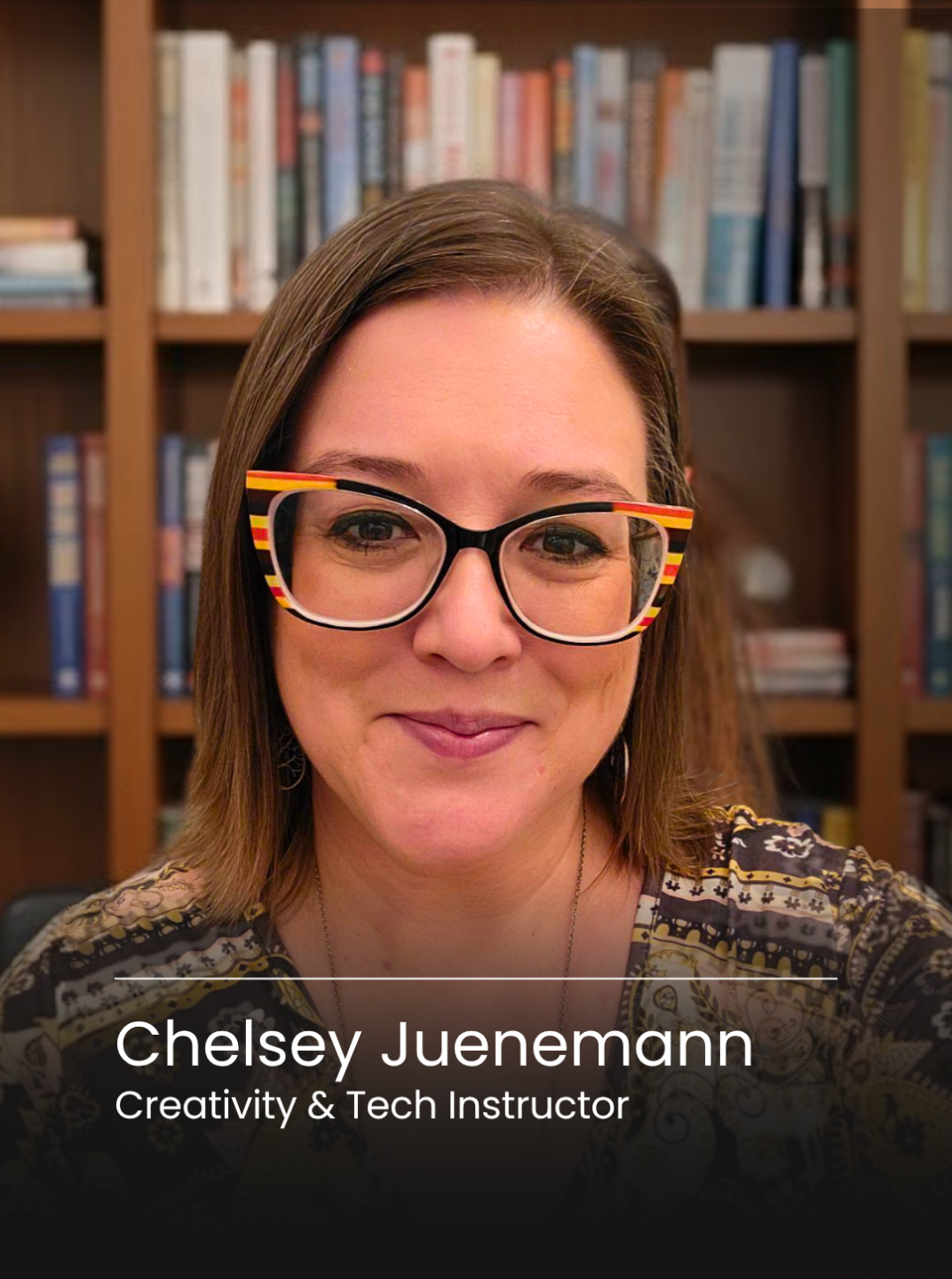
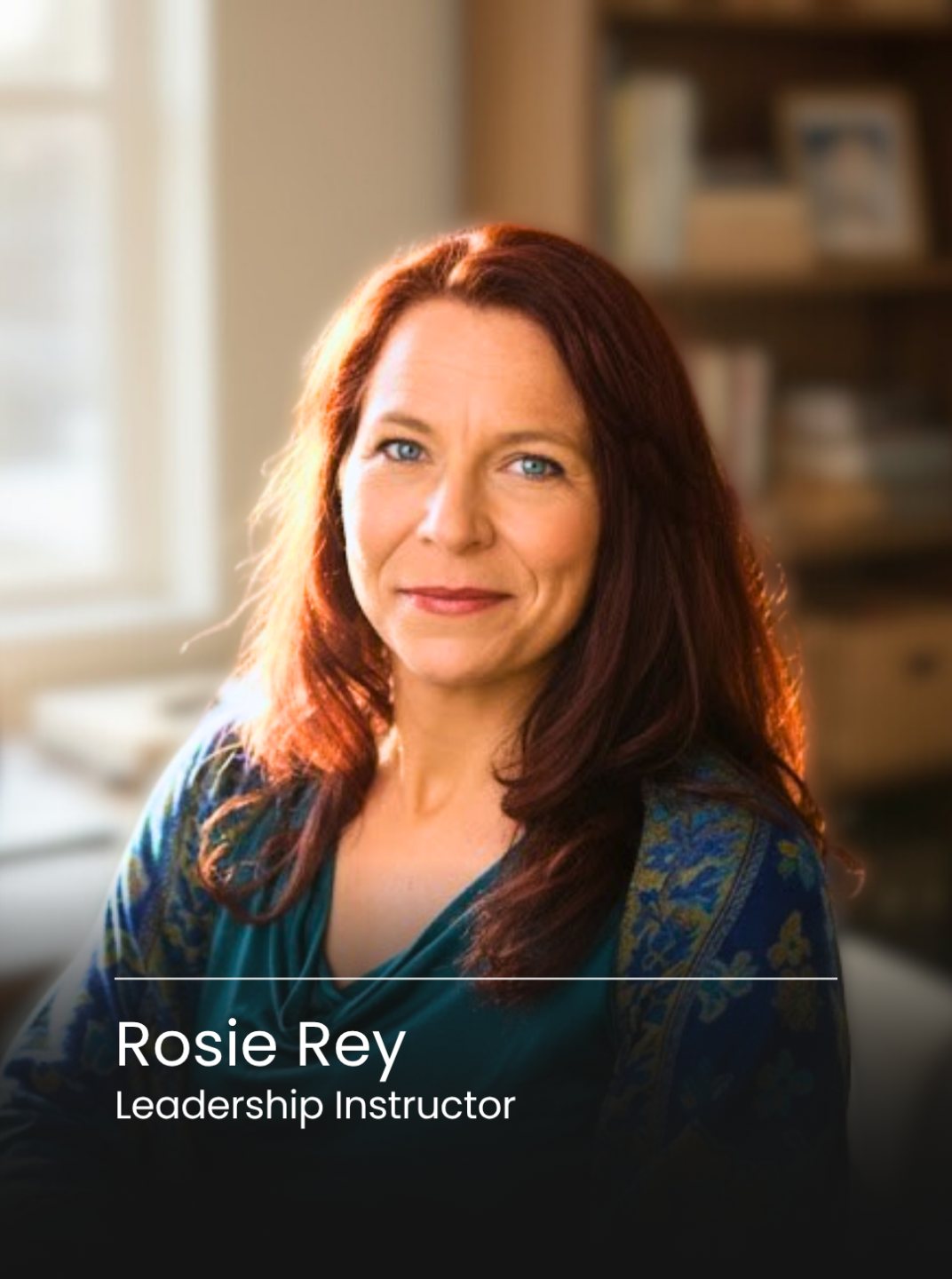

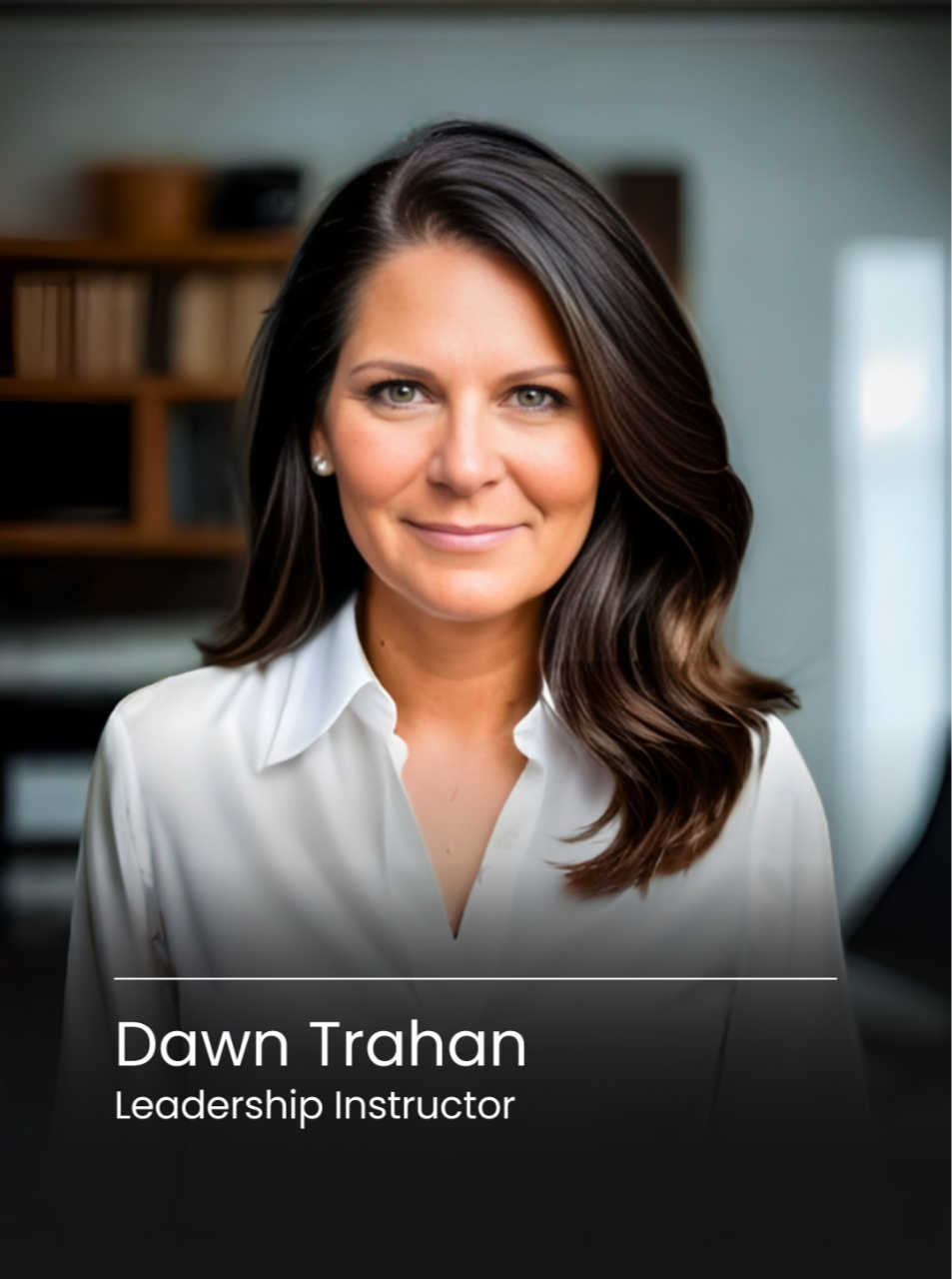
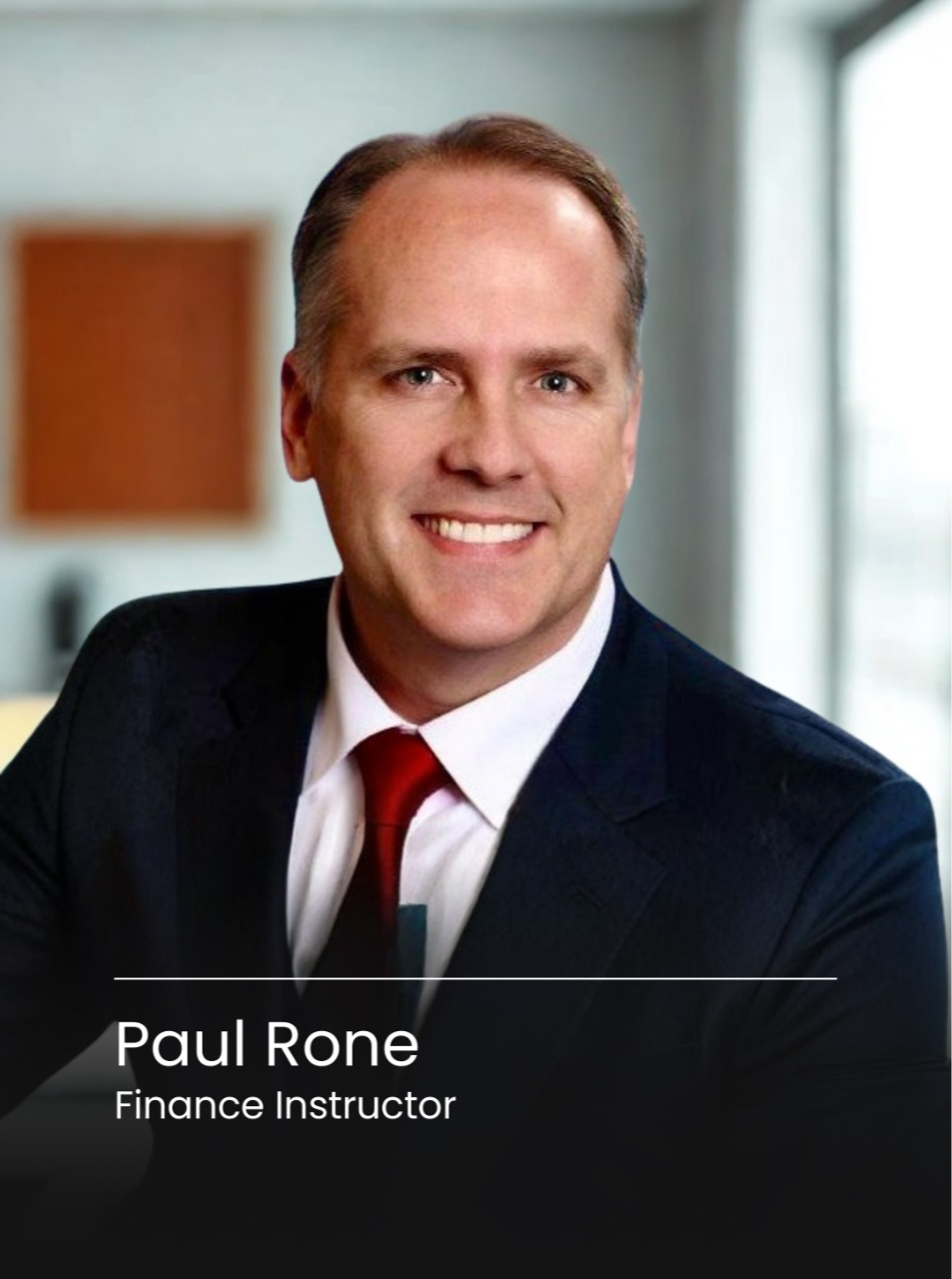
MORE ABOUT US
Stay Organised with
Gen Z MBA™ Program
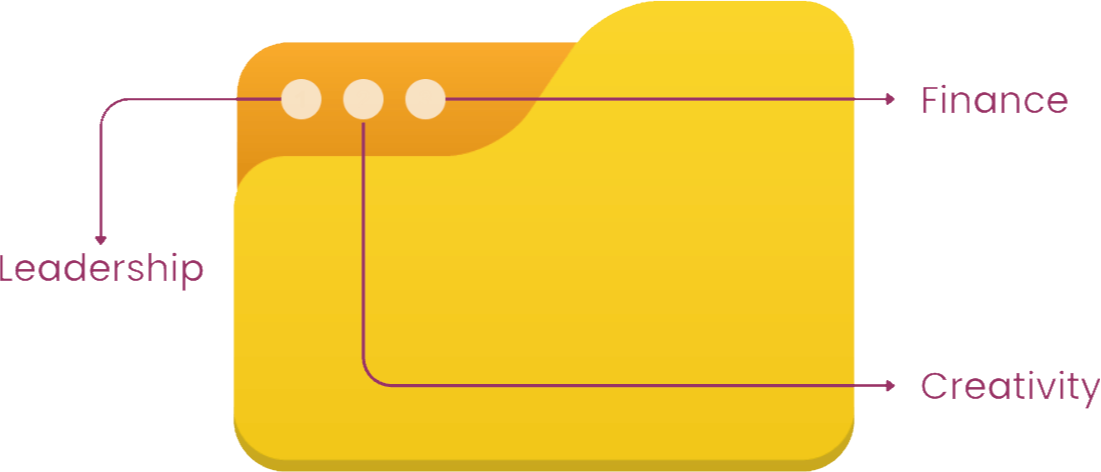
A curated Entrepreneurship journey where ambitious ages 13–27 build real venture, command money, leadership and wield AI as advantage.
LEARN MOREWHY SOT
The Essentials of
Entrepreneurship
WHY SOT
Real-World Startup
Insights
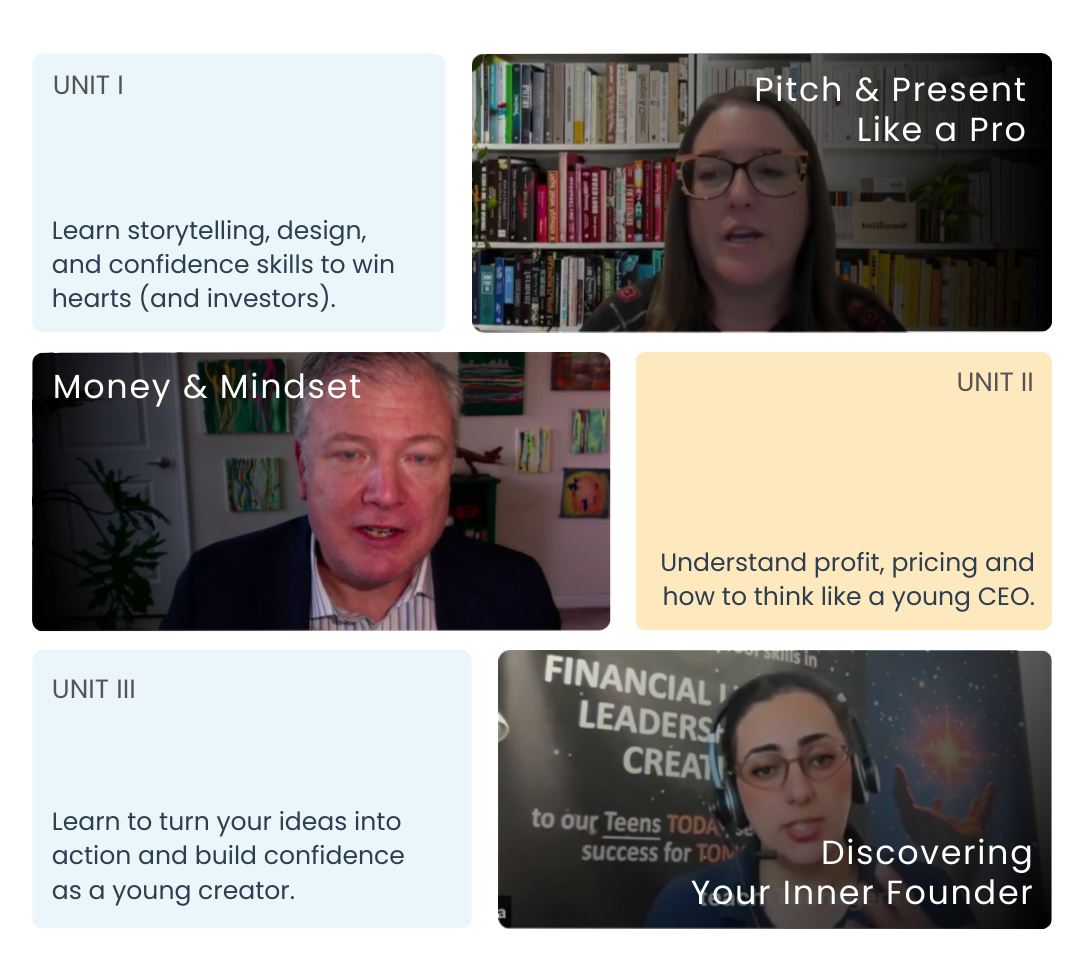
Gain hands-on experience and actionable skills. SOT provides real-world tactics and frameworks, taught by experts.
WHY SOT
Learn On Your Own
Time
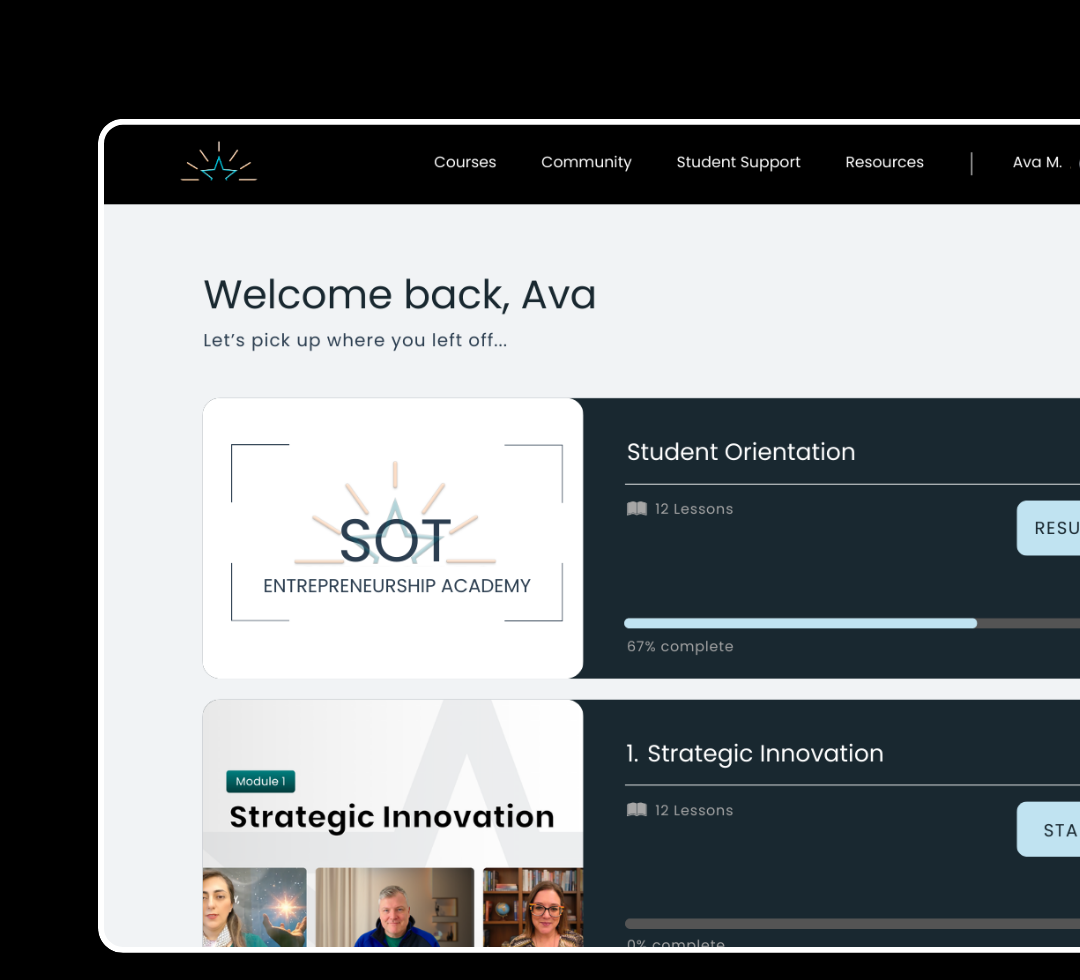
Flexible, self-paced education for entrepreneurs. Access the best alternative MBA—anywhere, anytime, on any device.
WHY SOT
Connect With Fellow
Founders
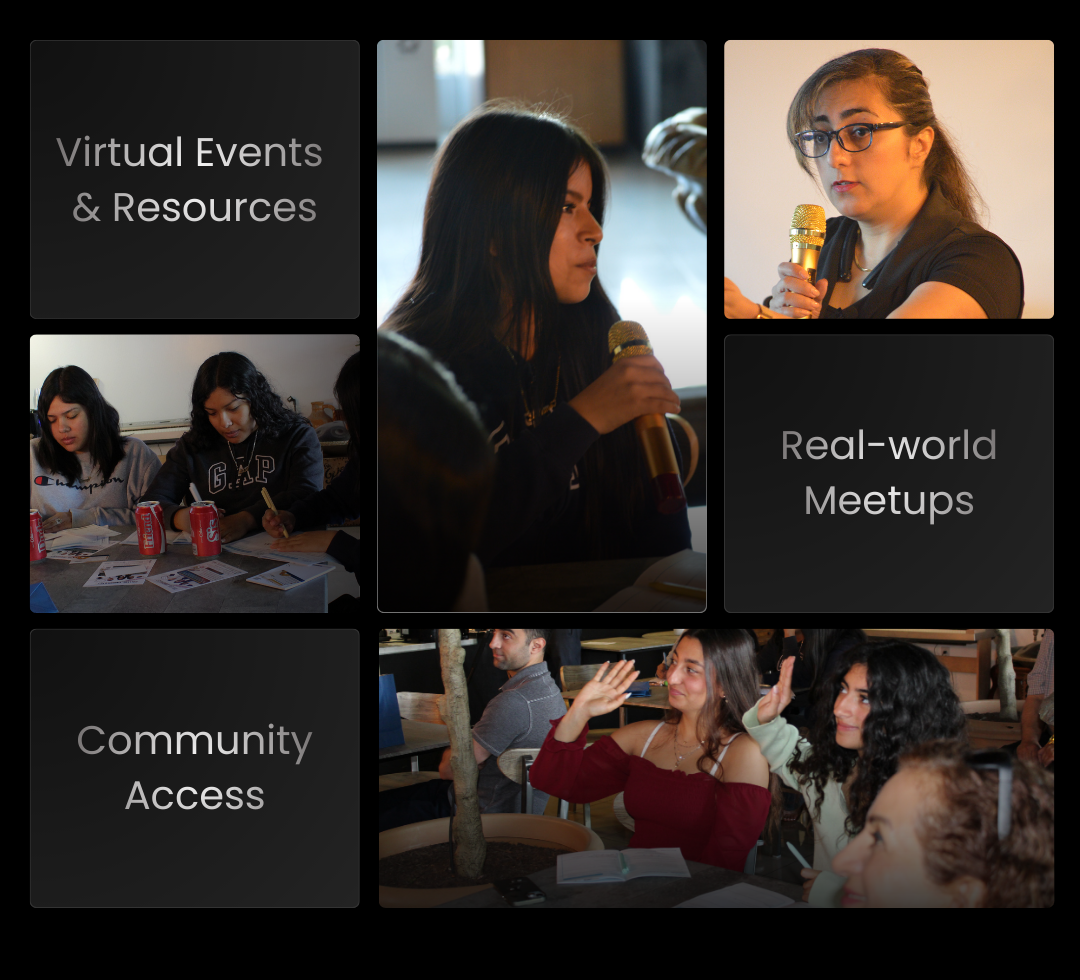
Get support from your peers through online webinars and in-person networking events.
Our Community
Student Testimonials
I have two daughters, a late teenager and one who is in her early twenties. Both have benefited tremendously from the SOT program.
Deanna G.
Parent

I learned techniques to ground myself and prepare for public speaking. The leadership module gave me real confidence.
Katherine E.
26, Recent Graduate

SOT's Gen Z MBA gave me practical leadership tools within the first 2 weeks. I use them daily in my business.
Sidney H.
24, Astrologer

I did the financial and the leadership that SOT offers. It was amazing. The real-world frameworks are invaluable.
Maya R.
IT

I thought leadership was a matter of confidence—something a person either had or didn't. SOT changed that for me.
Fikri S.
29, Medical Student

The AI cash-up turned a pile of receipts into a clean P&L in minutes. Game changer for my small business.
Jaxon R., 22
Finance intern (AI + Money)

The pricing game changed everything. Our AOV nudged from $9.50 to $10.60 — that's real money at scale.
Aria K.
19, Gap-year Builder

I thought I needed a co-founder. Turns out I needed an AI teammate. SOT showed me how to build one.
Leo M., 24
CS grad pivoting to product (AI ops + Leadership)

Stand out with the
Superstars of
Tomorrow Certificate
Earn a certificate upon completion and display your business credentials on your resume & Social Media
ENROLL NOW
Our Mission
Traditional MBA vs Gen Z MBA™
Traditional MBAs
- $100,000 tuition, on average
- Inflexible learning
- 2 year time commitment
- Outdated, rigid curriculum
- Tedious admission process
Our Gen Z MBA
- $4200, with payment plans
- Anywhere, anytime
- 30-minute / day
- Constantly updated curriculum
- Open education
7-Day Money-Back
Guarantee
Try Superstars of Tomorrow for 7 days & if you are not completely satisfied,
you can claim a full refund - no questions asked.
Frequently
Asked Questions
Yes! Our program is designed for ages 13–27, with a strong focus on young adults 18 and up. We have students from various backgrounds and experience levels. The curriculum adapts to meet each student where they are.
About 1 hour per week for live sessions, plus approximately 30 minutes of daily practice. The program is designed to fit around school and other activities.
All live sessions are recorded and available on-demand. You can watch at your convenience and still participate in the community discussions.
Absolutely. Students build a Portfolio Dossier with real business projects, leadership examples, and verified skills — exactly what admissions officers look for.
Yes. The skills taught — leadership, financial literacy, communication, AI — are valuable regardless of career path. Many students discover passions they didn't know they had.
We'd Love to Hear
From You
Whether you've got a question or feedback, drop us a message and we'll be in touch shortly!
SEND MESSAGE